

You know that feeling when the weather starts warming up and heavy food just doesn’t feel right anymore?
That’s exactly when this spring veggie soup is ideal for us.
I started making this during those in between days when it’s not cold enough for thick soups but still not hot enough to completely avoid them.
And honestly, it solved that problem perfectly.
This isn’t one of those bland “just boil vegetables” soups.
It actually tastes good. It feels light, fresh and still filling enough to count as a proper meal.
Ever had soup that left you hungry 20 minutes later? Yeah, this isn’t that.
So, let’s start making it right away.
Table of Contents
Why This Spring Veggie Soup Works So Well
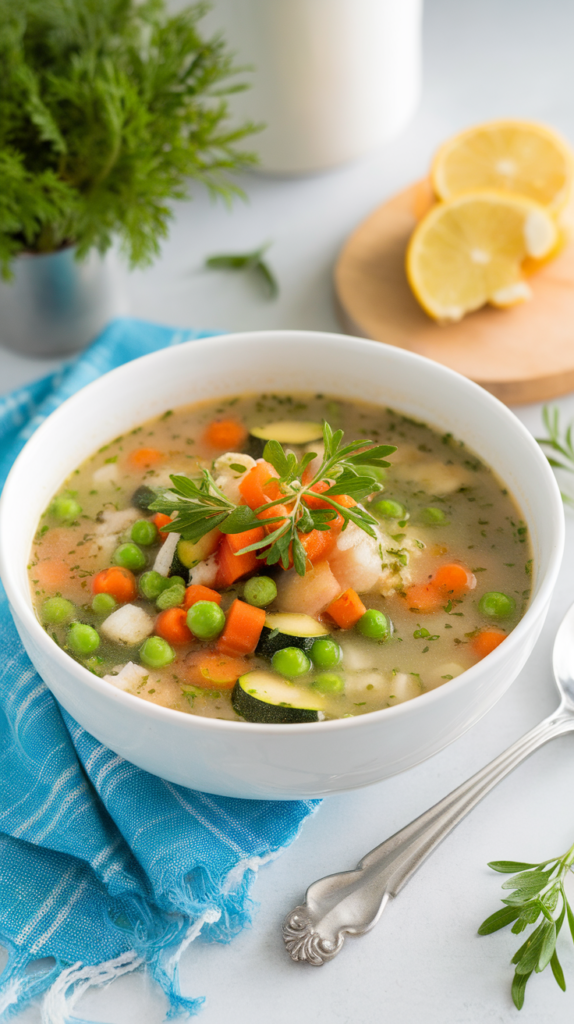
Most spring recipes focus on being “light,” but they forget one thing, flavor.
This soup gets both right.
Here’s why it works:
- You use fresh vegetables that actually taste like something
- You layer flavors instead of dumping everything at once
- You keep the texture slightly chunky (this matters more than you think)
I noticed early on that when I overcooked everything, the soup turned boring fast.
Once I started keeping some texture, it felt way more satisfying.
Ever wondered why restaurant soups feel better? They don’t kill the texture.
The “Timing Trick” Most People Miss

Here’s something I learned after making this multiple times.
If you throw all vegetables in at once, everything cooks unevenly.
Some turn mushy. Some stay undercooked.
Instead:
- Add harder vegetables first (carrots, beans)
- Add softer ones later (peas, zucchini)
This small change makes your veggie spring soup feel way more balanced.
Ever eaten soup where everything tastes the same? This avoids that completely.
Why This Soup Feels Light But Filling
You know a lot of spring recipes look good but don’t actually fill you up.
This one does and here’s why:
- You keep fiber-rich vegetables
- You don’t over-blend everything
- You balance liquid and solids properly
I used to blend soups completely, thinking smoother = better. But that just made them less satisfying.
Once I kept it chunky, it felt like real food again.
The Freshness Boost Trick
If you want to take this Spring Veggie Soup from good to really good, try this:
Add fresh herbs at the end.
Not while cooking. At the end.
Why?
Because heat kills freshness.
When you add herbs like parsley or basil just before serving:
- Flavor stays bright
- Soup smells better
- It feels more “spring-like”
It’s a small step, but you’ll notice the difference instantly.
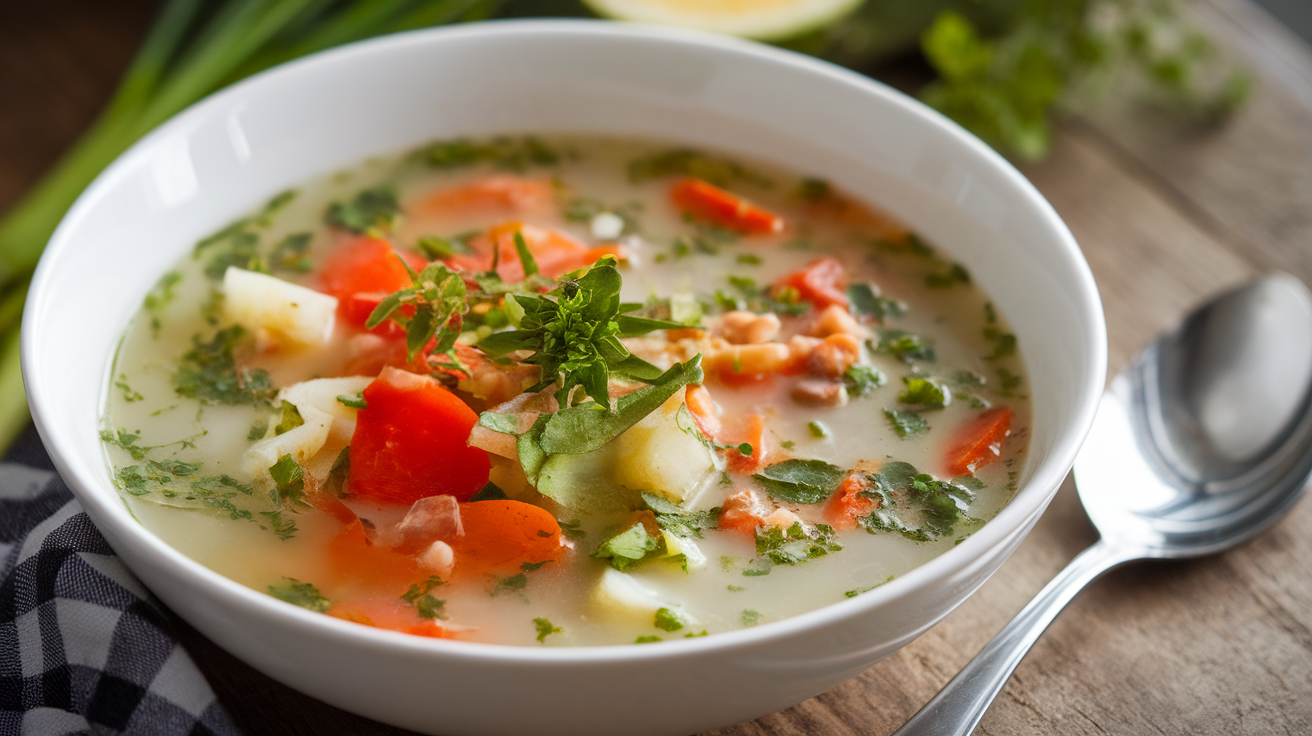

Spring Veggie Soup
Ingredients
Method
Prepare the base
Heat olive oil in a pot over medium heat. Add chopped onion and cook until soft. Add garlic and cook for 1 minute.Cook the vegetables
Add carrot, green beans, and zucchini. Stir and cook for 3–4 minutes.Add broth
Pour in vegetable broth and bring to a gentle boil. Reduce heat and let it simmer for 10 minutes.Add peas
Add peas and cook for another 3–4 minutes until vegetables are tender but not mushy.Finish and serve
Add salt, black pepper, and lemon juice. Stir well and serve warm. Garnish with fresh herbs if using.
Notes
- Don’t throw all vegetables in at once. I did that early on, and the texture turned uneven. Add harder veggies first, then softer ones.
- Keep some bite in the vegetables. If everything turns too soft, the soup feels boring pretty quickly.
- Add herbs at the end, not during cooking. That’s what keeps the soup tasting fresh instead of dull.
- Taste before serving. Sounds obvious, but this step fixes most flavor issues instantly.
Easy Variations You Can Try
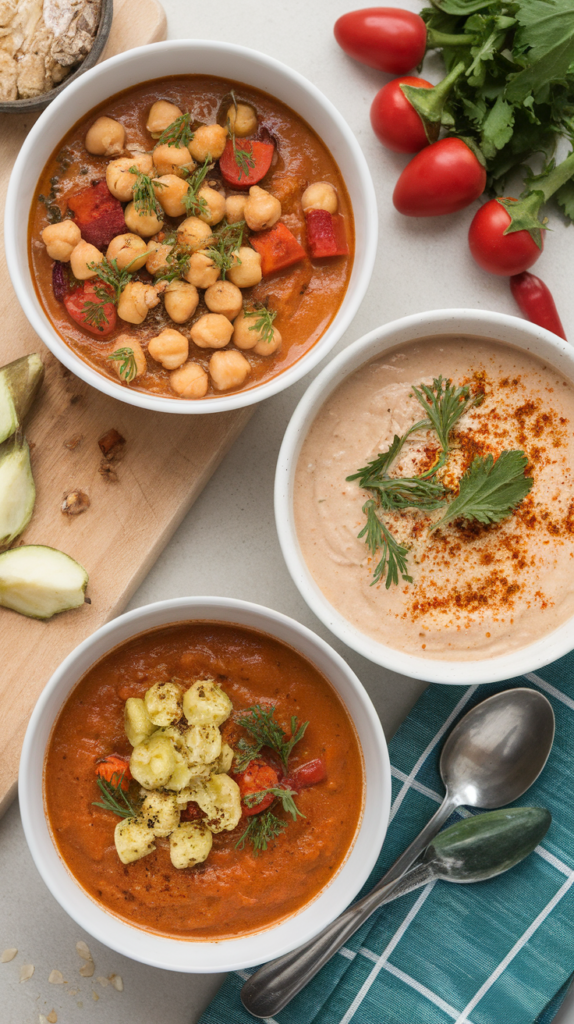
Once you get the base right, you can tweak it easily.
1. Protein Boost Version
Add:
- Cooked chickpeas
- Lentils
- Tofu cubes
This turns your soup into a complete meal.
2. Slightly Creamy Version
Add:
- A splash of coconut milk or regular milk
Don’t overdo it. Just enough to soften the texture.
3. Spicy Version
Add:
- Chili flakes or green chili
This balances the natural sweetness of vegetables nicely.
What to Serve with Spring Veggie Soup
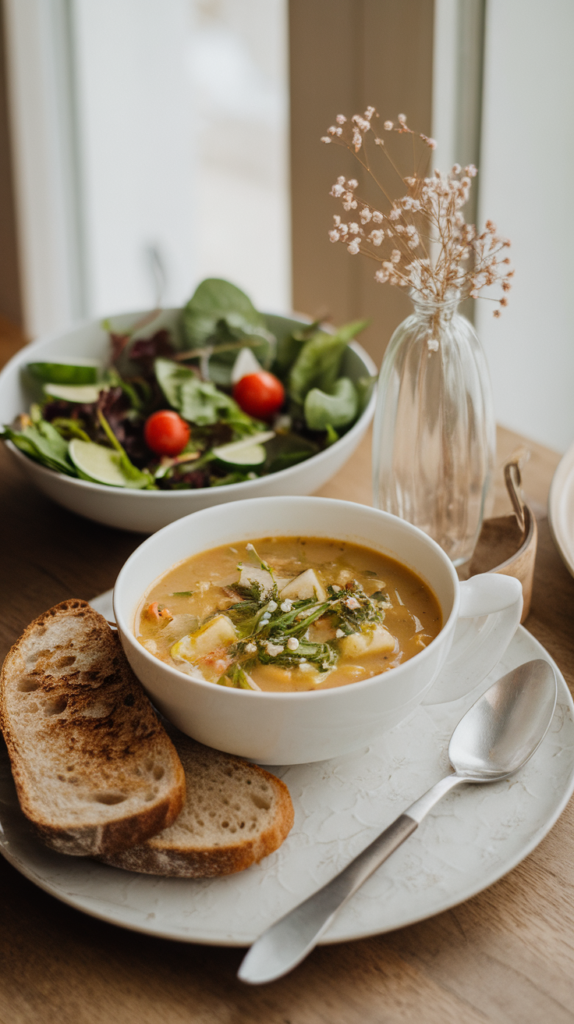
You can eat this on its own, but pairing it makes it better.
Try it with:
- Toasted bread or garlic bread
- Simple sandwich
- Light salad
I usually go with toast because it keeps things simple.
Common Mistakes to Avoid
Let me save you some trial and error.
- Overcooking vegetables → kills texture
- Skipping seasoning → soup tastes flat
- Adding everything at once → uneven cooking
- Not tasting before serving → risky move
Fix these and your soup improves instantly.
Final Thoughts
This Spring Veggie Soup proves that simple ingredients can still feel satisfying when you use them right.
It’s quick, flexible and perfect for those days when heavy meals just don’t make sense.
Once you try it, you’ll probably start adjusting it based on what you have at home.
And honestly, that’s where cooking gets interesting.
So next time your fridge has a bunch of vegetables and no clear plan, you already know what to do.
FAQ
1. Can I use frozen vegetables for Spring Veggie Soup ?
Yes, you can. Frozen vegetables work well, especially peas and beans. Just don’t overcook them, or they’ll turn soft too quickly.
2. How do I store leftover soup?
Store it in an airtight container in the fridge for up to 2–3 days. Reheat gently on the stove. Add a little water if it thickens.
3. Can I make this soup ahead of time?
Yes. You can make it ahead, but it tastes best fresh. If you plan to store it, slightly undercook the vegetables so they don’t turn mushy later.
4. Is this soup healthy?
Yes. It’s packed with vegetables, low in fat, and high in fiber. It’s a great option if you want something light but nourishing.
5. Can I blend this soup?
You can, but I wouldn’t recommend blending all of it. Blend a small portion if you want a thicker texture, but keep most of it chunky for better taste.
Hi, I’m Pratiksh! I run SnacknStretch where I share simple, tasty recipes anyone can make at home. I enjoy experimenting with fresh ingredients and turning everyday meals into something a little more exciting. If you like easy recipes, seasonal flavors, and food that actually tastes good, you’re in the right place.