
Hello there…
Some meals feel like a celebration of the season.
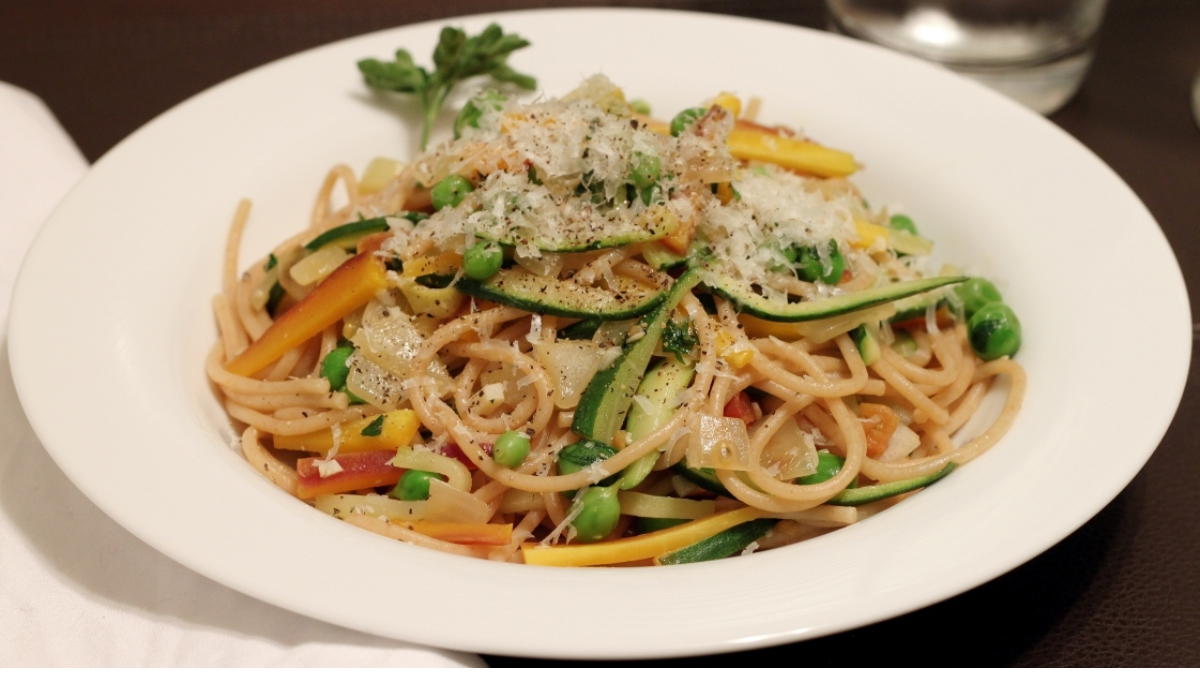
That’s how I think about primavera pasta.
It’s colorful, packed with vegetables and so simple to make.
If you enjoy fresh, light spring recipes, this one deserves a chance.
It combines pasta with vibrant vegetables and a simple sauce that brings everything together without making the dish heavy.
I often make this recipe when I want something satisfying but still fresh.
In this post, I will share a simple and super yummy Primavera Pasta recipe that you can make on loop.
So, let’s start cooking.
Table of Contents
What Makes Primavera Pasta Special?
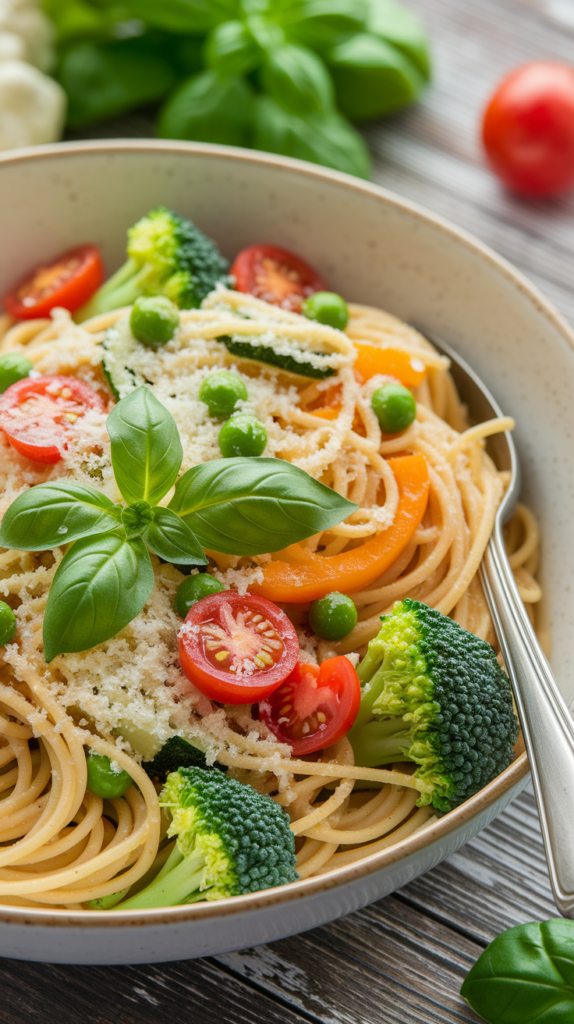
The word primavera actually means “spring” in Italian, which explains why this dish works so well with seasonal vegetables.
Unlike creamy pasta dishes that rely heavily on sauce, primavera pasta focuses on the vegetables themselves.
The sauce stays light so the natural flavors of the vegetables stand out.
You’ll usually see ingredients like:
- Bell peppers
- Zucchini
- Carrots
- Peas
- Broccoli
- Cherry tomatoes
The combination creates a dish that looks vibrant and tastes fresh.
Another reason I like this recipe is flexibility.
You don’t need the exact vegetables listed. If your fridge contains slightly different options, that’s perfectly fine.
That kind of flexibility makes primavera pasta one of the easiest spring recipes to adapt.
Ingredients You’ll Need
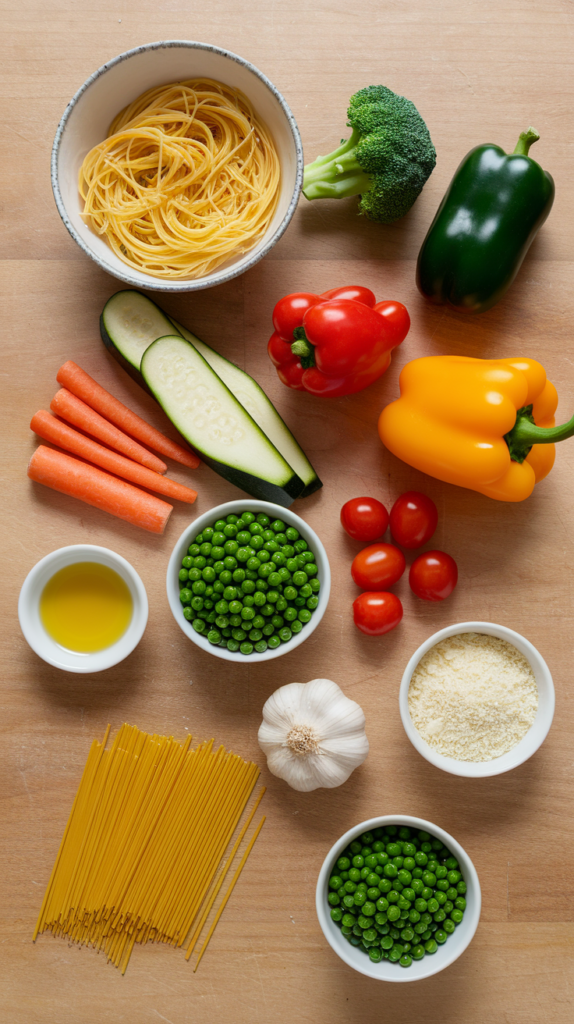
Here’s a simple ingredient list for a classic vegetarian version.
For the Pasta
- 250 g pasta (spaghetti works well)
- 1 cup broccoli florets
- 1 small zucchini, sliced
- 1 carrot, thinly sliced
- ½ red bell pepper, sliced
- ½ yellow bell pepper, sliced
- ½ cup cherry tomatoes
- ½ cup green peas
- 3 cloves garlic, minced
- 2 tablespoons olive oil
- ½ cup grated parmesan cheese
- Salt and black pepper to taste
- Fresh basil or parsley for garnish
Optional Additions
- Red pepper flakes for a little heat
- Lemon zest for extra freshness
Most of these ingredients are easy to find and work beautifully together.
How to Make Primavera Pasta
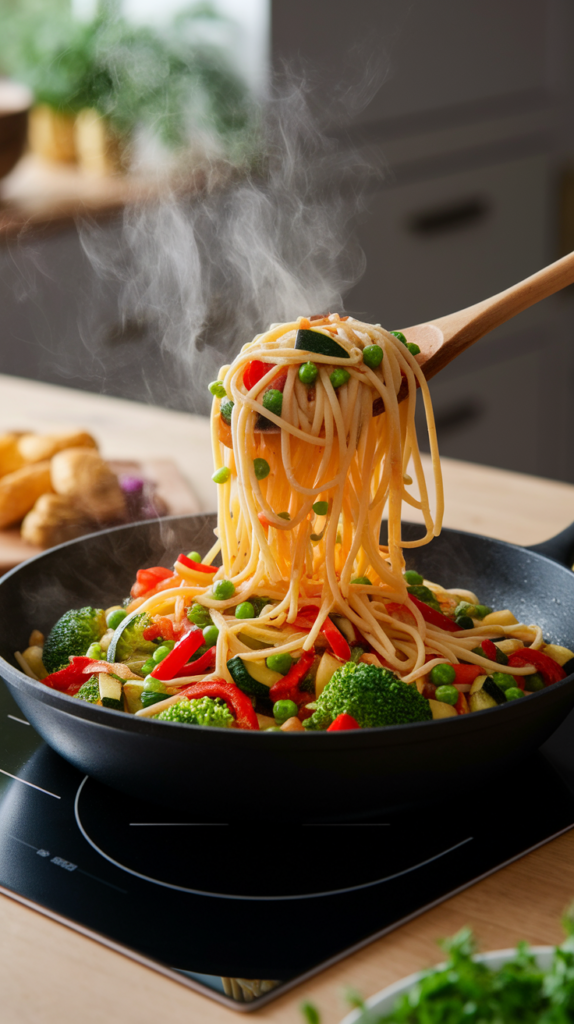
This recipe takes about 25 minutes, which makes it perfect for busy days.
1. Cook the Pasta
Bring a large pot of salted water to a boil.
Add your pasta and cook according to package instructions until al dente.
Before draining the pasta, reserve ½ cup of pasta water. This helps create a light sauce later.
Drain the pasta and set it aside.
2. Cook the Vegetables
Heat olive oil in a large skillet over medium heat.
Add garlic and cook for about 30 seconds until fragrant.
Next, add the carrots and broccoli since they take slightly longer to soften. Cook them for about 3–4 minutes.
Then add the zucchini, bell peppers, cherry tomatoes and peas.
Stir everything together and cook for another 4–5 minutes.
You want the vegetables tender but still slightly crisp.
Soft vegetables can make the pasta feel heavy, so keep them vibrant and lightly cooked.
3. Combine Pasta and Vegetables
Add the cooked pasta directly to the skillet with the vegetables.
Pour in a small amount of reserved pasta water and toss everything together.
The pasta water helps create a light coating instead of a thick sauce.
Add parmesan cheese, salt and black pepper.
Mix gently until everything is evenly combined.
4. Garnish and Serve
Turn off the heat and sprinkle fresh basil or parsley on top.
If you like extra brightness, add a little lemon zest.
Serve the primavera pasta immediately while it’s warm.
Choosing the Best Vegetables for Primavera Pasta
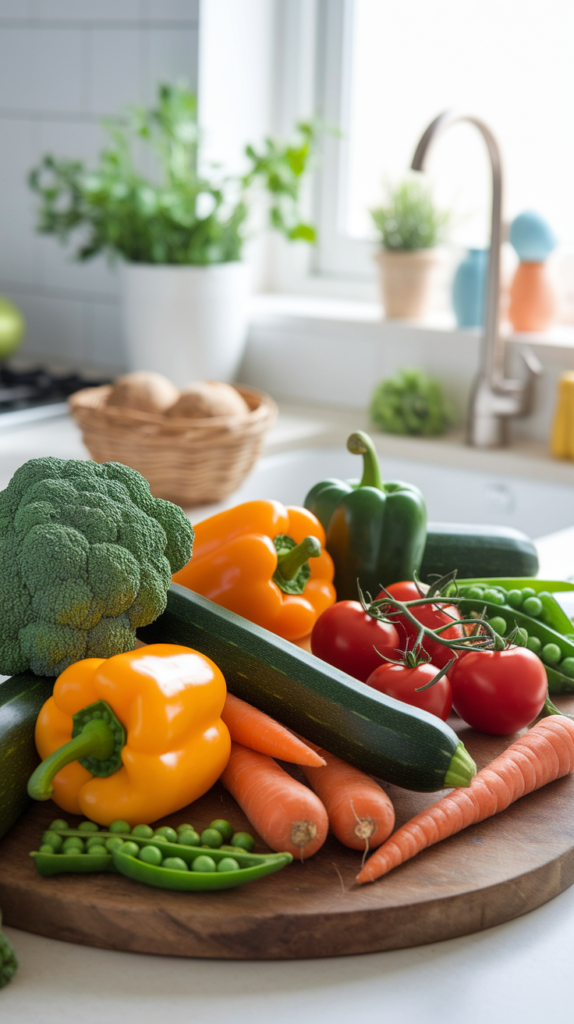
One thing I appreciate about primavera pasta is how forgiving it is.
You don’t need a strict ingredient list.
Instead, think about color and texture when choosing vegetables.
Try to include a mix of:
- something crunchy (carrots or broccoli)
- something soft (zucchini or mushrooms)
- something juicy (tomatoes)
This balance keeps the pasta interesting with every bite.
Seasonal vegetables work best for spring recipes, so feel free to experiment with asparagus, snap peas or spinach when they’re available.
The Secret to Bright Flavor
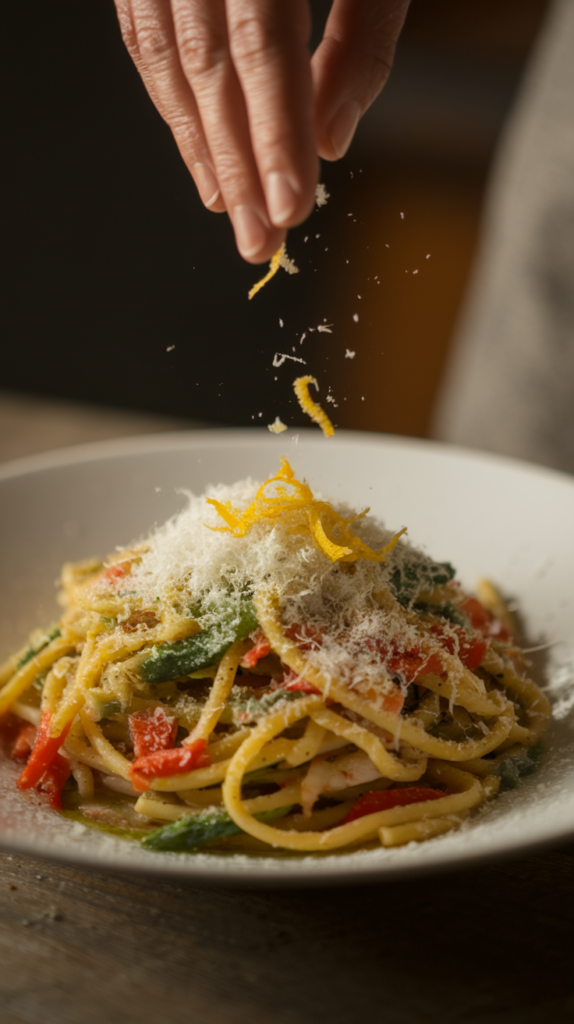
A lot of people focus only on the vegetables when making primavera pasta, but flavor balance matters just as much.
Two small ingredients can make a big difference.
Lemon Zest
A little lemon zest adds brightness and lifts the whole dish. It works especially well with spring vegetables.
Parmesan Cheese
Freshly grated parmesan adds depth and a subtle salty flavor that ties everything together.
These small touches help the dish feel more complete.
A Simple Trick for Better Pasta Texture
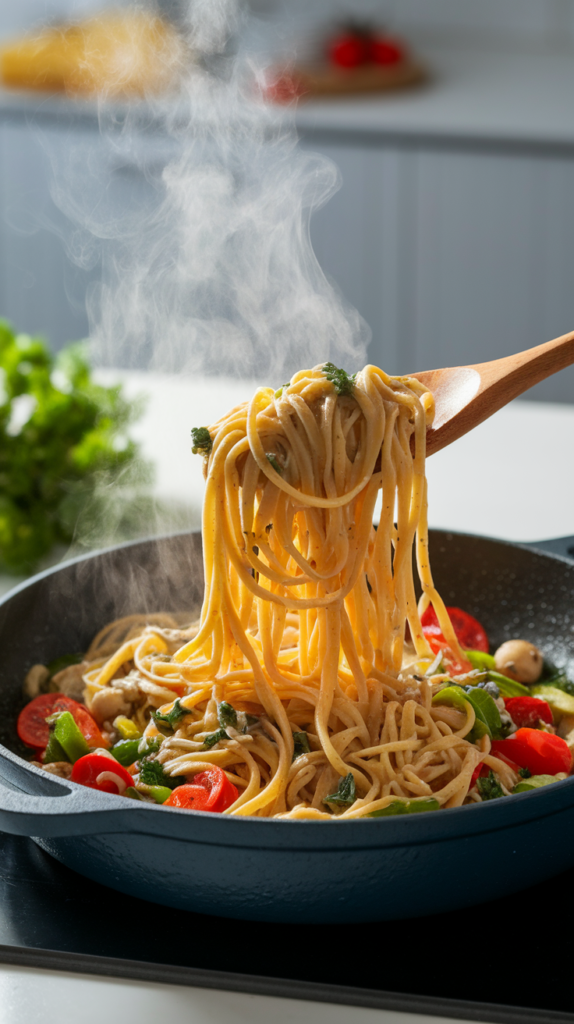
If you’ve ever made pasta that felt slightly dry, here’s a simple fix.
Always mix the pasta directly in the pan with the vegetables instead of combining everything in a bowl.
When pasta finishes cooking in the skillet, it absorbs flavors from the vegetables, olive oil and seasoning.
The reserved pasta water also creates a smoother coating.
This small step helps the dish taste more balanced.
Storage and Reheating Tips
Primavera pasta tastes best fresh, but leftovers still work well.
Store the pasta in an airtight container in the refrigerator for up to 2 days.
When reheating, add a small splash of water or olive oil to prevent the pasta from drying out.
Heat gently in a microwave.
The vegetables may soften slightly, but the flavors will still be good.
Final Thoughts
If you enjoy colorful, fresh meals, primavera pasta is one of those dishes you’ll probably make more than once.
You can keep it simple or customize it depending on what ingredients you have at home.
And honestly, meals that look this colorful tend to make dinner feel a little more enjoyable.
If you’re looking for a simple vegetarian pasta dish that celebrates the flavors of the season, this primavera pasta recipe is definitely worth trying.
FAQ
1. Can I make primavera pasta vegan?
Yes. Simply skip the parmesan cheese or replace it with nutritional yeast or a plant-based cheese alternative.
2. Which pasta shape works best for primavera pasta?
Short pasta shapes like penne, fusilli, or farfalle work well because they hold the vegetables easily.
3. Can I prepare the vegetables in advance?
Yes. You can chop the vegetables ahead of time and store them in the refrigerator. This makes the cooking process faster.
4. What vegetables are best for primavera pasta?
Common choices include broccoli, zucchini, carrots, bell peppers, peas, and cherry tomatoes. Seasonal vegetables like asparagus also work well.
5. Is primavera pasta healthy?
Yes. It contains vegetables, fiber, and nutrients while using a light sauce instead of heavy cream.

Hi, I’m Pratiksh! I run SnacknStretch where I share simple, tasty recipes anyone can make at home. I enjoy experimenting with fresh ingredients and turning everyday meals into something a little more exciting. If you like easy recipes, seasonal flavors, and food that actually tastes good, you’re in the right place.