
A mango pineapple smoothie is the kind of drink that makes any day feel a little sunnier. It’s creamy, tropical, and ready in minutes with just a handful of ingredients.
No fancy techniques, just fresh flavors and a blender.
Whether you’re starting your morning or craving an afternoon pick-me-up, this smoothie hits the spot.
It’s also easy to adapt if you want extra protein, dairy-free options, or a thicker texture.
What Makes This Mango Pineapple Smoothie Special
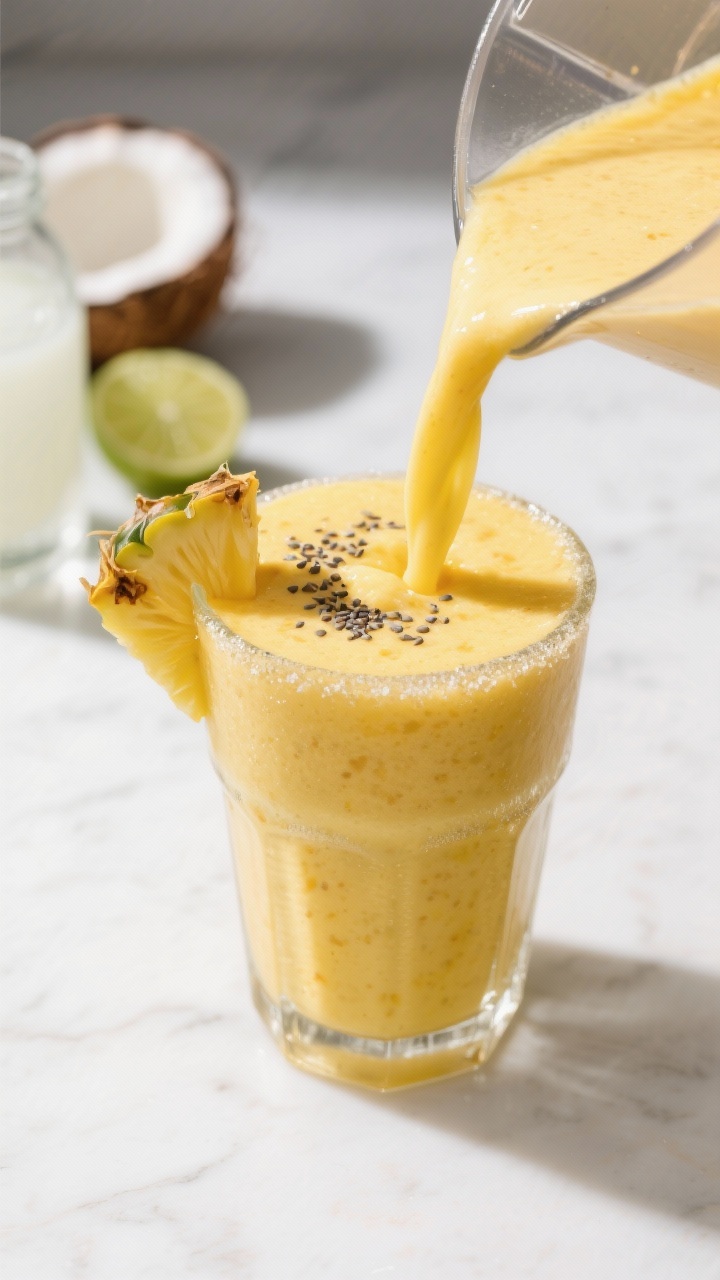
This smoothie brings together the best of two fruits that belong together. Mango adds silky body and natural sweetness, while pineapple brings bright, tangy flavor that wakes everything up.
The combination feels indulgent but stays light and refreshing. Beyond taste, it’s incredibly flexible. You can make it dairy-free, bump up the protein, or keep it simple with just fruit and liquid.
It’s also a great base for add-ins like spinach, chia seeds, or ginger without tasting “healthy.” You get a tropical vibe with little effort and no added sugar if you don’t want it.
What You’ll Need
- Frozen mango chunks (1 cup) – for body and natural sweetness
- Frozen pineapple chunks (1 cup) – for bright, tangy flavor
- Liquid of choice (3/4 to 1 cup) – water, coconut water, dairy milk, or a non-dairy milk like almond or oat
- Plain or vanilla yogurt (1/2 cup) – Greek yogurt for extra protein and thickness, or coconut yogurt for dairy-free
- Fresh lime juice (1 to 2 teaspoons) – optional, but it adds a clean, zesty note
- Honey or maple syrup (1 to 2 teaspoons) – optional, only if you prefer it a little sweeter
- Ice (a handful) – optional, for a thicker, frostier finish
Optional add-ins:
- Protein powder (1 scoop) – vanilla or unflavored works best
- Chia seeds or ground flax (1 tablespoon) – for fiber and omega-3s
- Fresh ginger (1/2 teaspoon, grated) – adds warmth and brightness
- Spinach (1 cup, lightly packed) – mild flavor and extra nutrients
- Banana (1/2 medium, frozen) – for added creaminess and sweetness
Step-by-Step Instructions
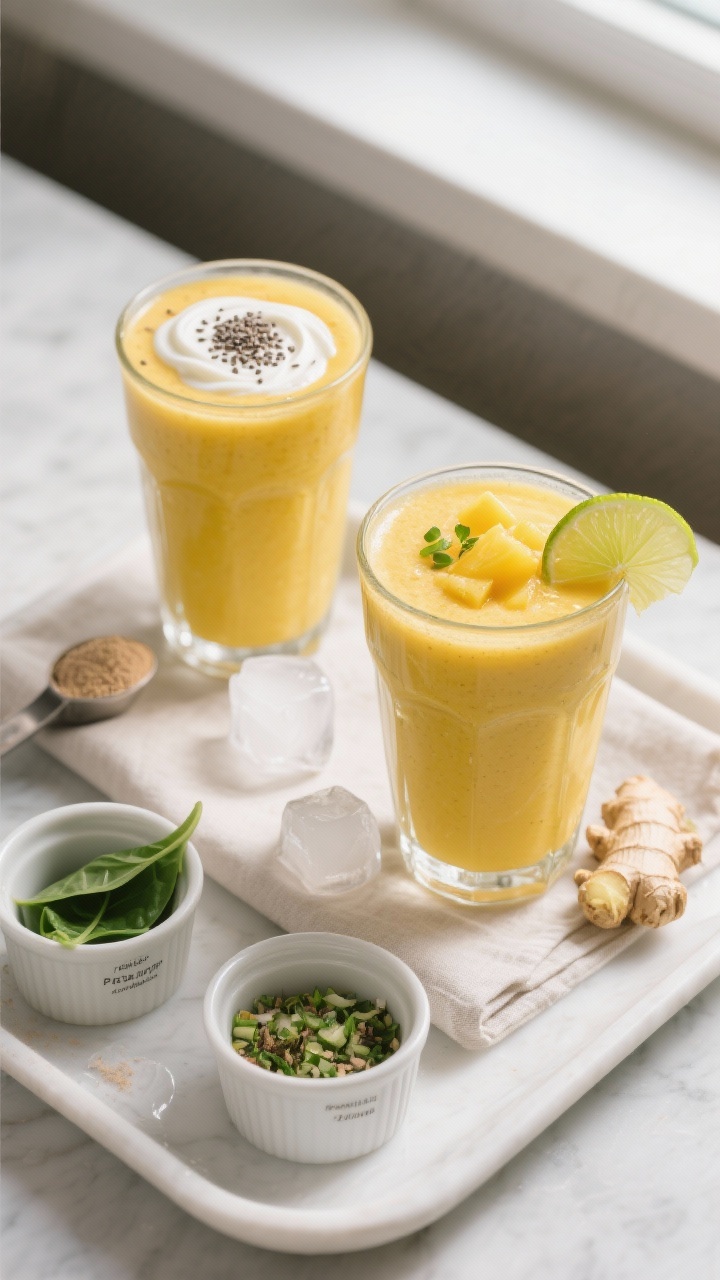
- Prep your ingredients. Use frozen mango and pineapple for the best texture. If using fresh fruit, add a cup of ice to keep it thick and cold.
- Add liquids first. Pour your chosen liquid into the blender, then add the yogurt. Starting with liquid helps the blades catch and blend smoothly.
- Add fruit and extras. Add the frozen mango and pineapple, then any optional add-ins like protein powder, chia seeds, or spinach.
- Blend until smooth. Start on low, then move to high.Blend for 30–60 seconds until creamy and even. If it’s too thick, add a splash more liquid. If it’s too thin, add a few ice cubes or more frozen fruit.
- Taste and adjust. Squeeze in lime juice for brightness.Add a touch of honey or maple syrup only if needed. Blend again briefly.
- Serve immediately. Pour into a chilled glass for the best texture. Garnish with a pineapple wedge or a sprinkle of chia if you like.
Storage Instructions
- Short-term: Store in an airtight jar in the fridge for up to 24 hours.Shake or stir before drinking, as separation is natural.
- Make-ahead packs: Portion mango, pineapple, and any solid add-ins into freezer bags. When ready, just add liquid and yogurt and blend.
- Freezing: Freeze blended smoothie in silicone molds or airtight containers for up to 2 months. Thaw overnight in the fridge or blend with a splash of liquid to refresh the texture.
Benefits of This Mango Pineapple Smoothie
- Naturally sweet. Mango and pineapple are sweet enough that you usually don’t need added sugar.
- Vitamin-rich. Pineapple brings vitamin C and bromelain; mango adds vitamins A and C, plus fiber.
- Hydrating. Using water or coconut water keeps it light and refreshing.
- Customizable nutrition. Add Greek yogurt or protein powder for a more filling snack or light meal.
- Digestive-friendly. Yogurt with live cultures supports gut health, and pineapple’s enzymes can help with digestion.
What Not to Do
- Don’t overload the blender. Too much frozen fruit at once can stall the blades.Blend in batches or add more liquid if needed.
- Don’t skip the acid. A little lime juice brightens the flavors. Without it, the smoothie can taste flat.
- Don’t use warm ingredients.</-strong> Room-temperature fruit makes a thinner, less refreshing smoothie. Keep fruit frozen or add ice.
- Don’t rely on sweeteners first.</-strong> Taste before adding honey or syrup.Mango and pineapple are usually sweet enough.
- Don’t blend endlessly. Over-blending can warm the smoothie. Stop as soon as it’s creamy and smooth.
Alternatives
- Dairy-free: Use coconut milk or almond milk and swap yogurt for coconut yogurt or skip the yogurt entirely.
- Green version: Add a handful of spinach or kale. Spinach keeps the flavor mild; kale adds a bit more earthiness.
- Extra tropical: Use coconut milk and add shredded coconut or a splash of coconut extract.
- Low-sugar: Use unsweetened almond milk or water, skip sweeteners, and add extra ice for volume.
- Protein boost: Blend in Greek yogurt, silken tofu, or a clean protein powder.
- Spiced twist:</-strong> Add fresh ginger, a pinch of turmeric, or a dash of cardamom for warmth and complexity.
- Kids’ version: Make it thicker with banana and serve as a smoothie bowl with granola and fruit on top.
FAQ
Can I use fresh fruit instead of frozen?
Yes.
If using fresh mango and pineapple, add a cup of ice to keep the smoothie cold and thick. You can also freeze the fruit ahead of time in a single layer to avoid clumping.
What’s the best liquid for this Mango Pineapple smoothie?
It depends on your goal. Coconut water is hydrating and light, milk or non-dairy milk makes it creamier, and plain water keeps the flavor clean.
Start with 3/4 cup and adjust to reach your desired texture.
How do I make it thicker?
Use more frozen fruit, add a few ice cubes, or include banana or Greek yogurt. Reducing the liquid slightly also helps. Blend briefly and add liquid in small splashes until it just turns.
Can I make it without yogurt?
Absolutely.
Skip the yogurt and use a creamier liquid like coconut milk or add a bit of banana. If you want protein without dairy, try a plant-based protein powder or silken tofu.
Is this mango pineapple smoothie good for meal prep?
Yes, but it’s best as freezer packs. Portion fruit and add-ins in bags and freeze.
When you’re ready, add liquid and blend. If you store a blended smoothie, plan to drink it within 24 hours and shake before serving.
How do I avoid stringy bits from pineapple?
Blend long enough on high power and add liquids first to help everything circulate. If your blender is weaker, cut pineapple into smaller pieces and blend in two stages.
Can I add greens without changing the taste?
A handful of spinach blends in easily and stays mild.
Kale works too, but it’s more noticeable. A squeeze of lime helps keep the flavor bright.
What protein powder flavor works best?
Vanilla or unflavored protein powder complements the fruit. Chocolate can clash with the tropical flavors, but it’s fine if you like it.
Do I need to peel the mango?
Yes, peel and pit the mango before freezing or blending.
Mango skin is tough and bitter in smoothies.
How can I make it more refreshing?
Use coconut water, extra lime juice, and a few ice cubes. You can also add a small piece of fresh ginger for a crisp, zesty finish.
In Conclusion
A mango pineapple smoothie is simple, bright, and endlessly adaptable.
With frozen fruit, a splash of liquid, and a few smart add-ins, you get a creamy drink that tastes like vacation but fits into a busy day.
Keep it basic or dress it up with protein and greens.
Either way, you’ll end up with a refreshing, feel-good smoothie you’ll want to make again and again.

Hi, I am Pratiksh. A fitness enthusiast and food lover. I love to share my personal favorite home workouts and healthy recipes. My goal is to make home workouts more interesting and explore different recipes that are not just delicious but healthy too.