There’s something instinctive about reaching for coconut water when you’re overheated or just feel like your body needs a reset.
This homemade Coconut Water Electrolyte Drink takes that foundation and builds on it, a touch of sweetness, a little tartness, a pinch of salt until it feels genuinely balanced and refreshing rather than just watery.
It’s also tastes cleaner. No artificial aftertaste, nothing you can’t pronounce, just real ingredients doing exactly what they’re supposed to.
So, let’s start making it right away.

5 Reasons To Make This Coconut Water Electrolyte Drink
Natural electrolytes: Coconut water contains potassium, a key electrolyte for muscle and nerve function. With a little added salt and citrus, you get a balanced blend for hydration.
Quick energy: A touch of honey or maple syrup offers gentle carbohydrates that help replenish energy without overwhelming sweetness.
Better flavor, cleaner ingredients: No artificial dyes or flavors—just simple ingredients you likely have on hand.
Customizable: Adjust the salt, sweetener, and citrus to fit your taste and activity level. It’s easy to tweak for hot days or hard workouts.
Easy on the stomach: Light, smooth, and less sugary than many sports drinks, it’s often easier to sip and keep down, especially post-workout.
Shopping List
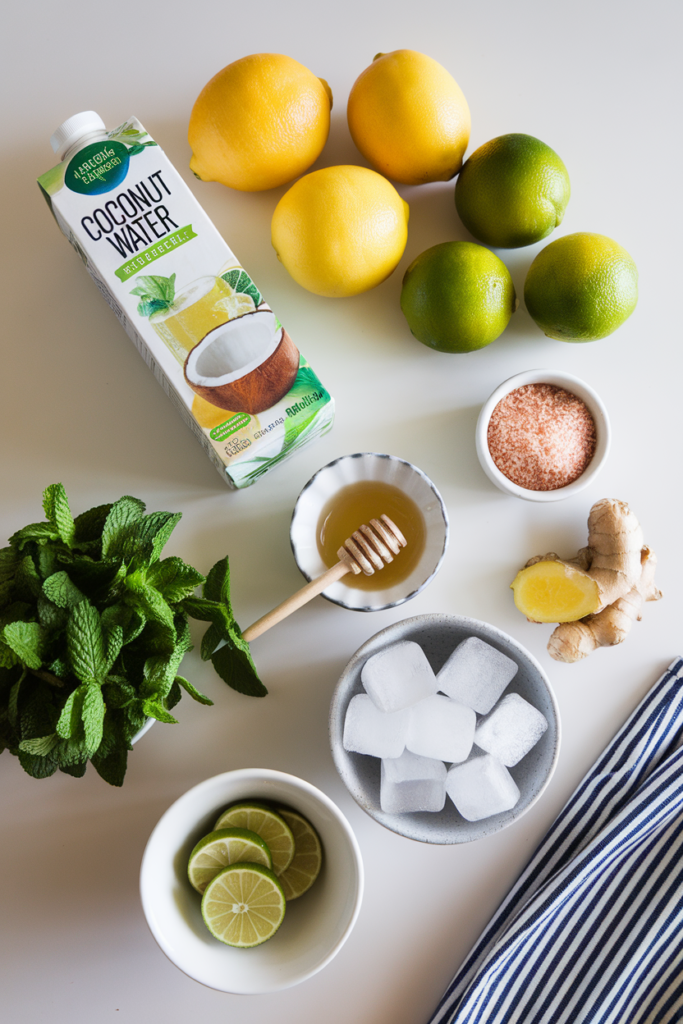
- Unsweetened coconut water (1 liter or 4 cups)
- Fresh lemon or lime (1 medium, or use both)
- Honey or maple syrup (1–2 tablespoons)
- Fine sea salt or pink salt (1/8–1/4 teaspoon)
- Cold water (optional, to dilute to taste)
- Ice (optional, for serving)
- Optional add-ins: a splash of orange juice, grated ginger, mint leaves, or a pinch of magnesium powder (food-grade)
How to Make It
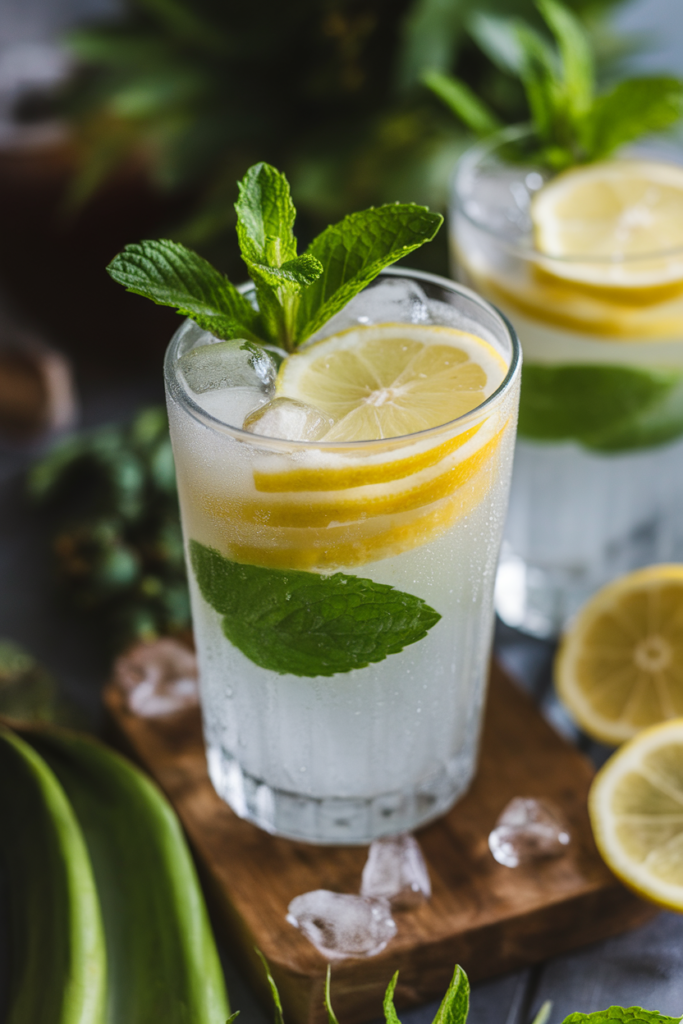
Chill the base. Start with cold coconut water. Keep it in the fridge for a few hours or add ice later for instant refreshment.
Juice the citrus. Squeeze a lemon or lime into a small bowl or directly into a pitcher. Aim for about 2–3 tablespoons of fresh juice. Strain out seeds if needed.
Mix the electrolytes. In a pitcher, combine the coconut water, citrus juice, and salt. Start with 1/8 teaspoon of salt. You can increase to 1/4 teaspoon if you sweat heavily or prefer a saltier profile.
Add the sweetener. Stir in honey or maple syrup. Begin with 1 tablespoon. Taste, then add more if you want a slightly sweeter drink. Honey dissolves best if the liquid isn’t ice-cold, so stir well.
Adjust the balance. If the flavor is strong, add 1/2–1 cup of cold water to dilute. If it’s flat, add another squeeze of lemon or a tiny pinch of salt.
Optional boosts. Add a splash of orange juice for extra carbohydrates and vitamin C, a few mint leaves, or a thin slice of fresh ginger for zing. If using magnesium powder, add just a pinch and mix thoroughly.
Serve cold. Pour over ice and enjoy. For workouts, pour into a reusable bottle so it stays cool and handy.
Health Benefits
Replenishes electrolytes: Coconut water naturally contains potassium, and the added sea salt provides sodium, both essential for hydration and muscle function.
Supports recovery: The light carbohydrates from honey or maple syrup help replenish glycogen after exercise without feeling heavy.
Gentle on digestion: Fewer additives and moderate sweetness make it easier on the stomach than many sports drinks.
Antioxidant boost: Citrus juice offers vitamin C and a fresh, clean taste that encourages you to drink more fluids.
Lower in sugar than store-bought: You control the sweetener, keeping total sugar more moderate while still getting flavor and function.
Also Checkout – Perfect Cucumber Basil Lemonade For Hydration
Don’t Do This
Don’t overdo the salt. Too much can make the drink harsh and dehydrating. Start small and adjust slowly.
Don’t skip tasting as you go. Your needs change with activity and weather. Always taste and tweak acidity and sweetness.
Don’t use flavored or sweetened coconut water unless you account for the extra sugar. It can quickly become cloying.
Don’t rely on it for extreme endurance events without testing first. For very long or hot sessions, you may need more carbohydrates and electrolytes.
Don’t add too much magnesium or other mineral powders. A heavy hand can upset your stomach. Use a light pinch if you add it at all.
FAQ
Can I use table salt instead of sea salt?
Yes. Use a slightly smaller amount of table salt because it’s finer and tastes saltier per volume. Start with a small pinch and adjust.
Is coconut water enough for hydration on its own?
For casual activity or daily hydration, often yes.
For heavy sweating or long workouts, adding a bit of salt and citrus improves electrolyte balance and encourages steady drinking.
Can I make it sugar-free?
You can skip the honey or maple syrup. The drink will be less sweet and lower in carbs, which is fine for light activity. For intense or long workouts, a little carbohydrate can help performance and recovery.
What if I don’t like the taste of coconut water?
Dilute with cold water and increase lemon or lime. A splash of orange or a few mint leaves also softens the coconut flavor.
How much should I drink after a workout?
A general guideline is 16–24 ounces within the first hour after exercise, especially if you sweat heavily. Listen to thirst, and aim for pale yellow urine as a simple hydration cue.
In Conclusion
This coconut water electrolyte drink is one of those small habits that quietly makes a difference. A few pantry ingredients, a couple of minutes and you’ve got something that actually works and actually tastes good.
The beauty of it is how easily it adapts. Prefer it a little sweeter? Add a touch more honey. Need extra salt after a tough workout? Go for it.
Want more citrus? Squeeze away. Once you’ve made it once, you’ll know exactly how to make it yours.
Keep a batch in the fridge and better hydration is just always there, no planning, nothing artificial. Just a clean, refreshing drink that fits into your day however you need it to.
Ingredients
Method
- Chill the base. Start with cold coconut water. Keep it in the fridge for a few hours or add ice later for instant refreshment.
- Juice the citrus. Squeeze a lemon or lime into a small bowl or directly into a pitcher. Aim for about 2–3 tablespoons of fresh juice. Strain out seeds if needed.
- Mix the electrolytes. In a pitcher, combine the coconut water, citrus juice, and salt. Start with 1/8 teaspoon of salt. You can increase to 1/4 teaspoon if you sweat heavily or prefer a saltier profile.
- Add the sweetener. Stir in honey or maple syrup. Begin with 1 tablespoon. Taste, then add more if you want a slightly sweeter drink. Honey dissolves best if the liquid isn’t ice-cold, so stir well.
- Adjust the balance. If the flavor is strong, add 1/2–1 cup of cold water to dilute. If it’s flat, add another squeeze of lemon or a tiny pinch of salt.
- Optional boosts. Add a splash of orange juice for extra carbohydrates and vitamin C, a few mint leaves, or a thin slice of fresh ginger for zing. If using magnesium powder, add just a pinch and mix thoroughly.
- Serve cold. Pour over ice and enjoy. For workouts, pour into a reusable bottle so it stays cool and handy.

Hello, I’m an athlete and a food lover who shares vegetarian recipes that are both delicious and nourishing. I enjoy creating salads, pastas, smoothies, and guilt-free desserts you can enjoy without stressing about calories.